 EN
EN
The Breakdown of Grease Using Dishwashing Soap: Understanding Surfactants
The Science Behind Micelle Formation and Oil Emulsification
Dishwashing soap uses surfactants to bind to grease. Surfactants regulate the water-repelling tail and the water-loving head. When they come in contact with water, the tails will drive into grease while the heads will orient to water. Surfactants will aid in separating grease into small droplets. These droplets will be encased in surfactants to form micelles. These structures will trap grease in their water-hating structures. This will allow easy removal of grease as the micelles will suspend the grease in water. This process is emulsification. Surfactants will decrease the tension of surface water allowing it to be more cohesive. This will help water in removing grease from utensils and other surfaces.
The Importance of Surfactant and pH Balance in Grease Removal
Grease-cutting ability relies heavily on the surfactant and pH balance. Saponification requires a pH higher than neutral, which will convert grease to soap and allow for removal of highly greasy residues. To remove stubborn residues while still providing protection for the user, most of the regular dishwashing soap will be mildly alkaline to have a pH of 8-10 and still be within the safety range to avoid damaging the surfaces.
The kind of surfactant used also determines the level of performance. Anionic surfactants, like sodium lauryl sulfate, break down grease quickly and work well an excellent foam and the rapid dispersion of oils. Because of this, Nonionic surfactants are milder with respect to skin and surfaces. Nevertheless, they are still capable of effective oil and water emulsion. The most effective formulas involve both classes of surfactants to maximize cleaning potential while being foam stable and bio-compatible. The rate of cleaning is ultimately determined by the synergism of surfactant structure and pH in relation to the safety and sustainability of the product.
Lab-Tested Dishwashing Soap Performance on Heavy Grease
Head-to-Head Results: Dawn, Palmolive, Seventh Generation & More
Genuine differences in the removal of real-world grease are demonstrated through independent lab testing. Grease was applied in a standardized manner to ceramic tiles and porcelain plates. Grease was allowed to dry for time increments of 5 minutes to 24 hours. Each dish soap was tested at a nominal temperature of 75°F and diluted to an unknown extent to evaluate the amount of leftover grease after a soaking period. Conventional formulas required 40% fewer strokes to scrub away the baked-on grease when compared to plant-based cleaning formulas. However, newer bio surfactant blends have demonstrated a significant improvement in emulsifying grease.
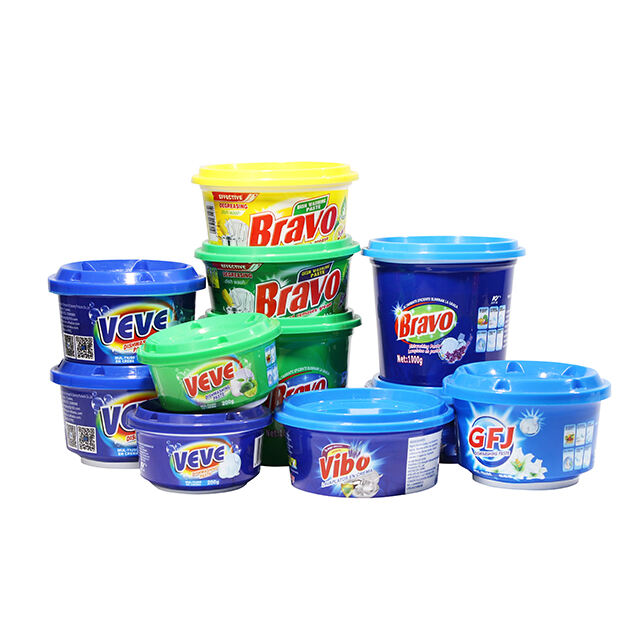
Analyzed performance data showed three main trends:
Reduced effort: Conventional brands reduced the physical scrubbing effort needed by 25%.
Improved efficiency: The removal time for baked-on residues was reduced by 30 seconds.
Residual grease: 15% more residue was left on porcelain surfaces by the plant-based products.
Blind, multi-tester trials showed that on stubborn, oxidized grease (especially on caramelized pan residue or grill grates) conventional cleaning products outperformed eco-friendly products. Plant-based products that contain dual enzymes worked well in the removal of moderate grease. Consumers focused on eco-friendliness achieve good results by choosing products that are natural and concentrated with high surfactant levels and are designed for heavy-duty cleaning.
Natural vs. Conventional Dishwashing Soap: Can Eco-Friendly Formulas Handle Tough Grease?
Castile, Plant-Based, and Biodegradable Options Under Realistic Kitchen Conditions
Modern eco-friendly dish soaps use plant-derived surfactants—including those from coconut oil and citrus—which combine with surfactant molecules to emulsify and then remove greases. A Greenpeace study (2023) showed that the best plant-based soaps removed 92% of greasy residues compared to the best of the traditional soaps.
Among these products, key functional ingredients include:
Limonene (from citrus) dissolving lipid bonds
Coconut-derived alkyl polyglucosides that create stable oil-in-water emulsions
Natural saponins that enhance foam integrity thereby removing residue
Real-world scrubbing tests have shown plant-based soaps that contain at least 15-20% plant-based surfactant are able to clean tough stains and provide a good alternative to cleaning products that contain synthetic chemicals.
Identifying the Best Dishwashing Soap for Your Kitchen’s Grease Situations and Personal Standards
Selecting the correct dishwashing soap is about the chemistry of the product and your kitchen’s needs and your values and priorities. For the most soiled dishwaters such as the frying pans, baking sheets, and grill grates, look for dishwashing soap with a high factor of surfactants and a mild level of alkalinity (pH 8-10) because they become better and easier in the emulsification of oils. If your priority is staying safe, pick the soaps with a maximum of concentrated natural surfactants for the required cleaning level. Although they may need a little more mechanical scrubbing, the soaps based on plants or sustainable materials biodegrade. For users with a more sensitive skin type, the non-ionic soaps strike a good balance between safety and greasiness and retain your skin’s natural oil.
FAQs
Q: How do dishwashing soaps get rid of oils?
A: Dish soaps get rid of oils using the concept of surfactants (the term that describes products that get rid of oil structured in small spherical groupings called micelles that trap oils in the center of the sphere and are repelled by water to leave the oils to be washed away.).
Q: Why is the pH of dishwashing soaps important?
A: The soap’s alkaline pH makes it easier for the fats and oils to be converted to a water-soluble soap in the process of saponification.
Q: Do soaps based on the plant serve the purpose of a dishwashing soap?
A: Highly concentrated plant soaps can be helpful in the reduction of oils in washing, and when designed with great surfactants, can be the answer to washing.
Q: What kinds of surfactants do the eco-friendly soaps have in them?
A: The soaps based on sustainable materials often use limonene, alkyl polyglucosides that are derived from coconuts, and the natural saponins for a better wash of oils.
Q: How do I pick the right dish soap?
A: Dish soap should be considered according to grease load, eco-friendliness, sensitivity of skin, and surfactants. Formulations that prioritize dish soap with a slightly higher pH level and high concentration of surfactants are preferred for very greasy load.