
 EN
EN
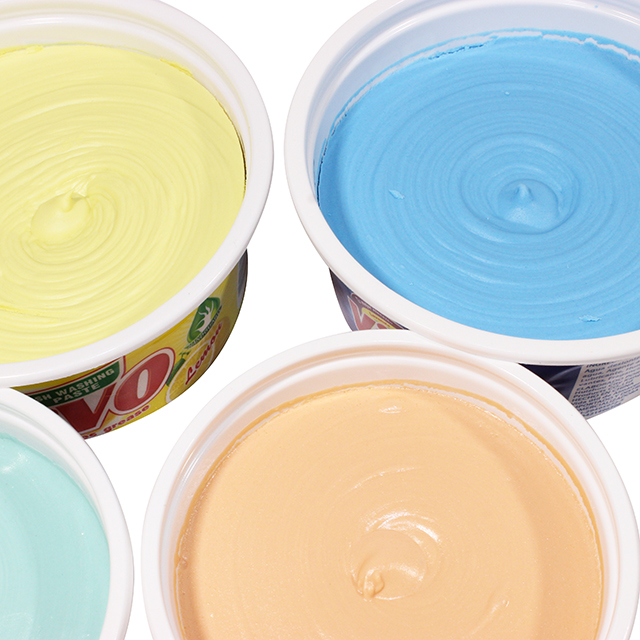
What Is Dishwashing Paste? Composition, Benefits, and Market Context
Defining dishwashing paste: A concentrated, low-water surfactant format
Dishwashing paste has a thick consistency since it contains very little water compared to regular liquid detergents. Most products have between 15 to 30 percent actual cleaning agents mixed into a gel-like base. What makes these pastes work so well is their special texture created by additives such as xanthan gum or certain types of cellulose. These ingredients keep everything mixed together properly and make it easier to dispense just the right amount each time. The main cleaning power comes from anionic surfactants, particularly sodium lauryl sulfate. When applied, these substances form tiny structures called micelles that grab onto greasy food particles and lift them away without needing much water at all. That's why only a small dab, about the size of a pea, usually does the trick for normal dish loads. According to some recent research published last year, people who switch to paste tend to use around 40% less product overall compared to those sticking with traditional liquid formulas.
Key advantages over liquids and powders: Stability, portability, and reduced plastic waste
What really sets dishwashing paste apart is how well it works in several different ways. For starters, since it contains very little water, bacteria doesn't grow as easily and the chemicals stay stable longer. This means an unopened container can last almost a year and a half before going bad. The texture is another big plus. It's thick enough to stay put when moving around but still flows nicely when squeezed. That makes it great for people who travel a lot, live in small apartments, or need something quick while away from home unlike those messy liquid detergents that always seem to leak or powdered ones that just form lumps. Most brands come in metal tins or glass jars these days too, so there's no need for those throwaway plastic bottles. According to some research from last year, families that switch to paste cut down their plastic trash by about five kilograms each year. Plus, in areas with hard water where regular powders often leave behind residue, paste works much better. And for those tough stuck-on greasy bits? The paste sticks to surfaces longer and delivers cleaning agents exactly where they're needed.
How Dishwashing Paste Cleans: Science Behind Surfactants and Rheology
Micelle formation and grease emulsification in low-water systems
Dishwashing paste works really well when there's not much water around because of how its surfactants behave. These special molecules have both water loving and water hating parts. When they meet greasy stuff, they form little clusters called micelles where the oil loving ends stick into the grease while the water loving ends point outwards, basically trapping all the dirt inside. Studies from last year showed that these concentrated pastes pack their cleaning agents closer together which makes them break down fats about 40 percent faster than regular liquid cleaners. What's neat is that since the paste isn't runny, it doesn't wash away too quickly either. This means those micelles stay intact longer on dirty dishes, giving them more time to do their job properly.
Role of thickeners and stabilizers in maintaining efficacy and user control
Xanthan gum and similar thickeners give products that special shear-thinning property. When squeezed, the paste flows easily but sticks to vertical surfaces once applied, which means less dripping and better control during application. The stabilizers in these formulations play a crucial role too. They keep surfactants evenly distributed even when temperatures change. Studies from the Journal of Colloid Science back this up showing effectiveness drops around 30% without proper stabilization. All these components work together so consumers don't need much product at all just a small pea sized dollop does the trick. Plus, there are those foam modifiers that cut down on excessive suds making it easier to rinse off delicate surfaces such as non stick cookware without leaving residue behind.
How to Use Dishwashing Paste Effectively: Best Practices by Surface and Soiling Level
Direct application technique for baked-on grease and stainless steel
When dealing with stuck on grease or working on stainless steel surfaces, just put the paste straight onto a wet sponge or brush instead of mixing it with water first. Give it around half a minute to an entire minute to really get into those burnt on bits before starting to scrub away. The stuff works because it has cleaning agents mixed with mild grit like baking soda, which helps tackle tough grime without damaging the metal surface. People who try this approach often find their cleaning results are noticeably better than when they dilute the product beforehand, sometimes making a difference of about forty percent when faced with really stubborn grease problems.
Dosage guidance and foam management for ceramic, glass, and non-stick cookware
A good starting point for ceramic and glass items is about the size of a pea for each large piece. Most people tend to go overboard though - we've seen studies showing around 70% end up using way too much product. This creates all sorts of problems with foaming and makes those dishes take forever to rinse clean. When dealing with non-stick surfaces, grab a gentle cloth and only use what's absolutely necessary. Those coatings can be pretty sensitive, so getting rid of any leftover paste quickly matters a lot. If someone lives somewhere with tough water conditions, bump up the amount used by roughly 20% or so. The extra helps maintain proper lathering action needed for thorough cleaning without leaving behind stubborn spots.
Dishwashing Paste vs. Other Formats: Functional Comparison and Use-Case Fit
Dishwashing paste has carved out its own special place in the market thanks to how it's made and what it does best. These pastes typically contain only 15 to 30 percent water compared to around 60 to 80 percent in regular liquid detergents. This lower water content means they cut through grease better and don't suffer from ingredients separating over time when stored or transported. Compared to powdered options, paste is much easier to apply without making a mess and stays stable even when temperatures fluctuate. The fact that it won't spill and comes in compact containers makes it ideal for people on the move like campers, RV enthusiasts, or anyone living in tiny city apartments. From an environmental standpoint, switching to paste helps eliminate roughly 3.2 million single-use plastic bottles each year according to recent sustainability reports, which definitely supports those zero waste goals many folks are chasing nowadays. Sure, powders might still be cheaper for big cleaning jobs, but when looking at situations where being portable matters most along with strong cleaning power and doing something good for the planet, paste comes out ahead every time.
FAQs about Dishwashing Paste
What is dishwashing paste primarily composed of?
Dishwashing paste is primarily composed of concentrated cleaning agents mixed into a gel-like base with additives like xanthan gum and cellulose, which provide its unique texture and efficacy.
How does dishwashing paste reduce plastic waste?
Dishwashing paste typically comes in metal tins or glass jars, eliminating the need for single-use plastic bottles and helping families reduce plastic trash by approximately five kilograms each year.
How should dishwashing paste be applied for best results?
For baked-on grease and stainless steel surfaces, apply the paste directly onto a wet sponge or brush without diluting, allowing it to sit for up to a minute before scrubbing for optimal results.
Table of Contents
- What Is Dishwashing Paste? Composition, Benefits, and Market Context
- How Dishwashing Paste Cleans: Science Behind Surfactants and Rheology
- How to Use Dishwashing Paste Effectively: Best Practices by Surface and Soiling Level
- Dishwashing Paste vs. Other Formats: Functional Comparison and Use-Case Fit
- FAQs about Dishwashing Paste