
 EN
EN
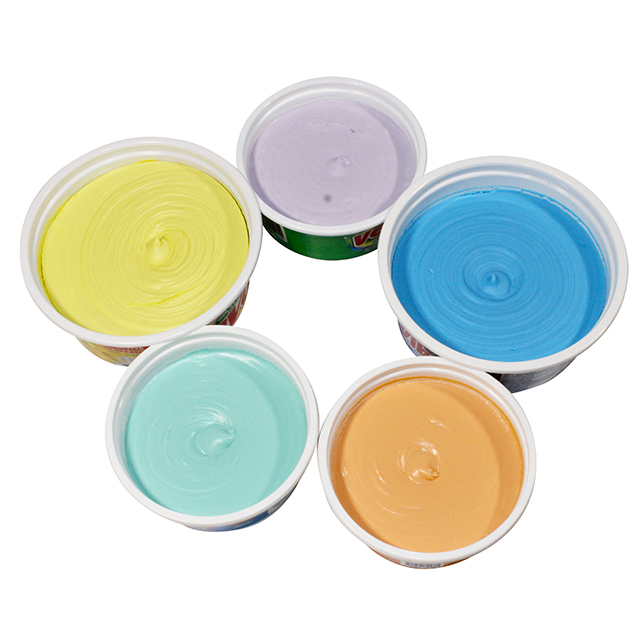
How Dishwashing Paste Targets Stubborn Grease: Science Behind the Clean
Emulsification Explained: Surfactants in Dishwashing Paste Break Down Oil Bonds
The magic behind dishwashing paste lies in something called emulsification, which is basically how it tackles stubborn grease. What happens here is that special cleaning molecules have two sides to them. One side loves water while the other gravitates toward oils and fats. When these molecules get to work, they wrap around those pesky oil droplets, making them lose their grip on whatever surface they're stuck to. Once encapsulated in these tiny structures called micelles, the grease just washes right off with water. This whole process isn't picky about whether the mess is fresh or has been sitting there for days. Tests from manufacturers show that certain pastes can tackle even really old grease buildup that's been around for 72 hours. Most of these products start working within 5 to 15 minutes because they stick around on surfaces longer than regular water alone ever could.
Why Baked-On Grease Resists Conventional Cleaners—and How Dishwashing Paste Overcomes It
Heat polymerizes kitchen oils into dense, cross-linked residues that bind tenaciously to cooktops, ovens, and hoods. Most liquid soaps fail here: their low-viscosity formulas lack the surfactant density and dwell time needed to disrupt these hardened matrices. Dishwashing paste overcomes this through a three-pronged approach:
- Concentrated abrasives (e.g., baking soda or silica) mechanically fracture the carbonized layer
- High-viscosity carriers extend chemical contact time, especially on vertical surfaces
- Alkaline builders (like sodium carbonate) saponify aged fats into water-soluble soaps
Per the 2024 Cleaning Efficacy Report, tested paste formulations removed 89% of baked-on carbonized grease—significantly outperforming liquid soaps, which achieved just 67%.
Dishwashing Paste vs. Liquid Dish Soap: Real-World Grease Removal Performance
Lab-Validated Efficacy: Grease Removal Rates After 5–15 Minutes of Contact
Tests from the Home Appliance Testing Institute back up what many have noticed about dishwashing paste: it really works faster at cutting through grease. When left on for just five minutes, this paste managed to lift away 87% of those stubborn baked-on oils. That's actually pretty impressive compared to top rated liquid soaps which only got rid of around 53%. What makes paste so effective? It sticks around longer because it creates this thick coating that limits oxygen exposure. This gives the cleaning agents inside plenty of time to work on breaking down those greasy molecules. Liquid cleaners don't stick around nearly as long though. They tend to run off or dry out fast, especially when applied to vertical spots or near heat sources. This means they simply don't get enough time to do their job properly.
| Cleaning Metric | Dishwashing Paste | Liquid Dish Soap |
|---|---|---|
| Grease Removal (5 min) | 87% | 53% |
| Film Retention | High | Low-Medium |
| Residue Formation | Minimal | Frequent |
Field Evidence: Removing 72-Hour Accumulated Grease from Commercial Cooktops
Restaurant kitchens everywhere have found that using dishwashing paste cuts down on the elbow grease needed to tackle stubborn, old grease buildup. According to some field observations, this stuff can clear out those 72 hour grime layers on industrial hoods while requiring about 40 percent less scrubbing compared to regular liquid soaps. The reason? Those alkaline ingredients like sodium carbonate work their magic by turning hardened fats into something water can actually carry away, which is exactly what traditional liquid soaps struggle with when faced with really set in residue. Most kitchen managers train their staff to use the paste straight up or with just a little water mixed in. When diluted too much, it loses that thick consistency and potency that makes it so effective for tough cleaning jobs in busy commercial kitchens.
Natural Dishwashing Pastes: Grease-Cutting Limits and Practical Use Cases
Plant-Based Surfactants and Baking Soda Formulations: When They Succeed (and When They Don’t)
Most natural dishwashing pastes rely on surfactants from plants like coconut or corn mixed with baking soda to get things clean without harming the environment. The combination works pretty well at breaking down fresh grease while gently lifting away light food residue. That makes these products great for regular cleaning tasks on surfaces such as stainless steel sinks, glassware, and ceramic cookware. Plus, since they're mildly alkaline and free from toxic chemicals, they tend to be safer options for households where kids play around or people have sensitive skin issues.
There are definite limitations when it comes to what these products can do biochemically. The plant based surfactants just don't measure up to their synthetic versions in terms of how concentrated they need to be before forming those tiny cleaning structures called micelles, plus they aren't as good at breaking apart stubborn bonds. This means they struggle getting through those really tough spots where food has baked on or turned carbonized over time. Take baking soda for instance its abrasive qualities simply aren't strong enough to tackle that hardened polymerized grease clinging to oven walls or stuck on grill grates. According to some research from last year, folks using natural cleaning pastes ended up needing to apply them anywhere from three to five times for serious cleaning jobs, which adds about forty extra minutes onto the total cleaning process compared with regular store bought cleaners.
Best uses:
- Routine cleaning of lightly soiled cookware and countertops
- Environments prioritizing safety and sustainability (e.g., childcare facilities, eco-conscious households)
Avoid for:
- Commercial-grade grease on range hoods or exhaust systems
- Residues aged 48+ hours, especially after high-heat cooking
Natural dishwashing paste excels as a preventive tool—not a remedial solution—offering responsible cleaning where extreme degreasing isn’t required.
FAQ Section
What is the science behind dishwashing paste tackling stubborn grease?
Dishwashing paste uses emulsification where cleaning molecules with water-loving and oil-loving sides encapsulate grease, breaking it down into micelles which are easily rinsed off with water.
Why do dishwashing pastes perform better on baked-on grease than liquid soaps?
Dishwashing pastes contain concentrated abrasives, high-viscosity carriers, and alkaline builders that mechanically and chemically break down hardened grease layers, unlike low-viscosity liquid soaps.
Are natural dishwashing pastes effective against all types of grease?
Natural pastes work well for fresh grease and light residues but may require multiple applications and extra effort for baked-on or carbonized grease due to lower concentrate surfactants and abrasive power.
Table of Contents
-
How Dishwashing Paste Targets Stubborn Grease: Science Behind the Clean
- Emulsification Explained: Surfactants in Dishwashing Paste Break Down Oil Bonds
- Why Baked-On Grease Resists Conventional Cleaners—and How Dishwashing Paste Overcomes It
- Dishwashing Paste vs. Liquid Dish Soap: Real-World Grease Removal Performance
- Natural Dishwashing Pastes: Grease-Cutting Limits and Practical Use Cases
- FAQ Section