 EN
EN
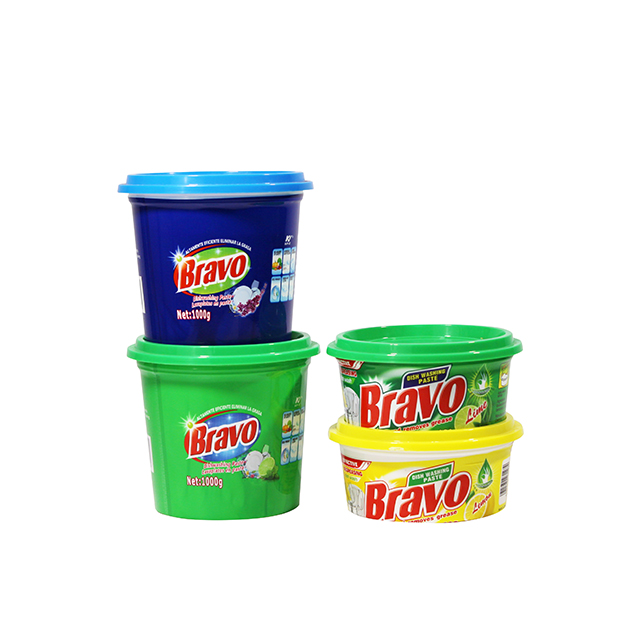
Core Functional Differences: Liquid Dish Soap vs. Dishwashing Paste
Viscosity, Surface Coverage, and Cleaning Precision for Different Soiling Levels
The low viscosity of liquid dish soap means it spreads quickly and covers surfaces well, which works great for light dirt and when someone just needs to clean something fast. The way it flows makes it good for machines too, though if there's really greasy stuff to deal with, people tend to need quite a bit more of it. Dishwashing paste is different because it has things like xanthan gum added to make it thicker. This gives it much stronger cleaning power exactly where it matters. When applied to vertical surfaces, the gel stays put instead of running off, so folks can target those tough spots with baked on residue without wasting product. Testing shows that paste actually gets rid of about 40 percent more grime per amount used compared to liquid versions when dealing with moderately dirty or heavily soiled items. But don't forget, liquids still do better on fresh oil stains covering big spaces.
Rinseability, Residue Risk, and Drying Performance in Commercial & Home Kitchens
The way things rinse off depends a lot on what kind of surfactants are in them. Take liquid soap for instance it contains these linear alkylbenzene sulfonates or LAS for short. These rinse away pretty quickly, usually within 3 to 5 seconds when running water is involved, although sometimes they leave behind visible marks in areas with hard water problems. Dishwashing paste works differently because it has ethoxylated alcohol surfactants instead. While these need longer to rinse out about 8 to 12 seconds they actually create much less film on dishes thanks to better water cutting ability. According to NSF sanitation checks, this paste cuts down water spots by around 30% in places like restaurants where completely dry dishes are essential. Regular folks at home also notice about 17% fewer streaks on their glasses, but if not rinsed properly, both types can leave behind residue especially on items like ceramic or stone surfaces. As far as safety goes, both products meet FDA requirements for food contact materials when following manufacturer instructions correctly.
Formulation Science: How Ingredients Define Dishwashing Soap and Paste Performance
Surfactant Systems: LAS-Based Dish Soap vs. Ethoxylated Alcohol Gels in Paste
Most dishwashing liquids contain something called Linear Alkylbenzene Sulfonate or LAS for short. This stuff is pretty cheap to make and creates lots of bubbles while cutting through fresh grease really fast. On the other hand, dishwashing pastes typically use what are known as non-ionic ethoxylated alcohol gels. These have a thicker structure that sticks better to vertical surfaces like dish racks or walls. The main difference between them determines how they work best. LAS spreads out across large areas effectively, whereas those gel formulas tend to hang around longer on stubborn, burnt-on food particles. Skin tests show that these ethoxylated systems generally cause less irritation too, which explains why restaurants and commercial kitchens often prefer them despite needing more frequent applications.
Thickeners, Solvents, and Preservatives â Engineering Rheology for Real-World Use
Three key formulation elements govern real-world performance:
- Thickeners, such as sodium chloride or xanthan gum, calibrate viscosityâensuring paste stability and soap flow control;
- Solvents, including ethanol and propylene glycol, lower freezing points and enhance grease solubility;
- Preservatives, selected for alkaline stability and eco-certification compatibility, prevent microbial growth in humid or high-moisture storage conditions.
Rheology engineering balances these components for practical deployment: shear-thinning thickeners let pastes hold structure in pumps yet yield during scrubbing; solvent ratios influence evaporation ratesâa critical factor for streak-free drying in hard water regions; and preservative blends must remain effective without compromising biodegradability or regulatory compliance.
Dishwashing Soap Is Not Soap: Why Modern Products Are Detergent-Based
Most people refer to dishwashing liquid simply as "soap," but technically speaking, what we're using isn't really soap at all. Real soap comes from mixing fats or oils with lye, creating molecules that grab onto both water and grease. The problem? These same molecules also team up with calcium and magnesium in hard water to form that annoying scum on dishes. Back in World War I, when materials were scarce, scientists started developing petroleum-based detergents instead. These new products could handle minerals in water much better than regular soap. Tests actually show they leave behind about 30% less residue compared to old fashioned soap formulas. Modern day detergents go even further by adding pH balancing agents and special enzymes that tackle food stains while still rinsing clean easily. That's why almost every kitchen, whether home or restaurant, relies on these advanced cleaning solutions now.
Choosing the Right Product: Application Guidance for Food Service, Retail, and Institutional Buyers
When to Specify Dishwashing Soap vs. Paste Based on Workflow and Equipment
The right choice between liquid and paste soap really depends on how a facility operates day to day. Big operations running conveyor dishwashers typically find liquid soap works best because it mixes evenly, spreads quickly, and plays nice with automatic dispensers that don't require touching. On the flip side, places where staff have to scrub manually, especially when dealing with stubborn food residue like baked on proteins or starchy leftovers, often see better results with paste formulas. The stuff sticks around longer on surfaces and doesn't wash away so easily. Facilities looking to save water might want to give paste another look too. Studies show these thicker products can cut down on rinse water by about 30% compared to regular liquid soaps. Plus there's the equipment factor to think about. Paste tends to be gentler on pumps since it won't clog them up like some thick liquids do. And because of its consistency, it just doesn't leak out or get wasted as much in manual dispensing systems either.
Label Clarity, Regulatory Compliance, and Sustainability Considerations
Clear labeling matters a lot when institutions buy products. Procurement teams need to check if food contact surfaces have NSF/ANSI 3 certification. They should also look into whether biodegradability claims come from credible sources such as the EPA Safer Choice program or Ecologo. A recent survey found that around three quarters of procurement managers actually care about these verified eco labels. When it comes to packaging, what's on the box needs to match reality according to FTC guidelines, particularly about how recyclable something really is and how much recycled material went into making it. Many facilities across 42 states now require phosphate free products because of local water treatment rules. Looking at sustainability benefits, switching to concentrated paste versions cuts down plastic use by nearly half compared to regular liquids. And bulk delivery systems help cut back on those pesky single use containers even more.
FAQ
What are the main differences between liquid dish soap and dishwashing paste?
Liquid dish soap has a low viscosity, making it better for spreading and quick cleaning of light dirt, whereas dishwashing paste is thicker, offering more cleaning power for tough spots with baked-on residue.
Which product is better for commercial kitchens?
For commercial kitchens requiring quick drying and minimal residue, dishwashing paste is preferable as it reduces water spots and streaks compared to liquid dish soap.
How do ingredients in dishwashing products affect their performance?
Dishwashing liquids often contain LAS, which helps spread across large areas, while pastes use ethoxylated alcohol gels that stick to vertical surfaces and cause less skin irritation.
Why are modern dishwashing products detergent-based rather than actual soap?
Detergent-based products handle minerals in water better, leaving less residue and utilizing advanced formulas to tackle food stains effectively.
What should buyers consider when choosing between liquid dish soap and paste?
Buyers should consider the workflow, equipment, label clarity, regulatory compliance, and sustainability factors, such as potential water savings with paste and recyclability of packaging.
Table of Contents
- Core Functional Differences: Liquid Dish Soap vs. Dishwashing Paste
- Formulation Science: How Ingredients Define Dishwashing Soap and Paste Performance
- Dishwashing Soap Is Not Soap: Why Modern Products Are Detergent-Based
- Choosing the Right Product: Application Guidance for Food Service, Retail, and Institutional Buyers
-
FAQ
- What are the main differences between liquid dish soap and dishwashing paste?
- Which product is better for commercial kitchens?
- How do ingredients in dishwashing products affect their performance?
- Why are modern dishwashing products detergent-based rather than actual soap?
- What should buyers consider when choosing between liquid dish soap and paste?