
 EN
EN
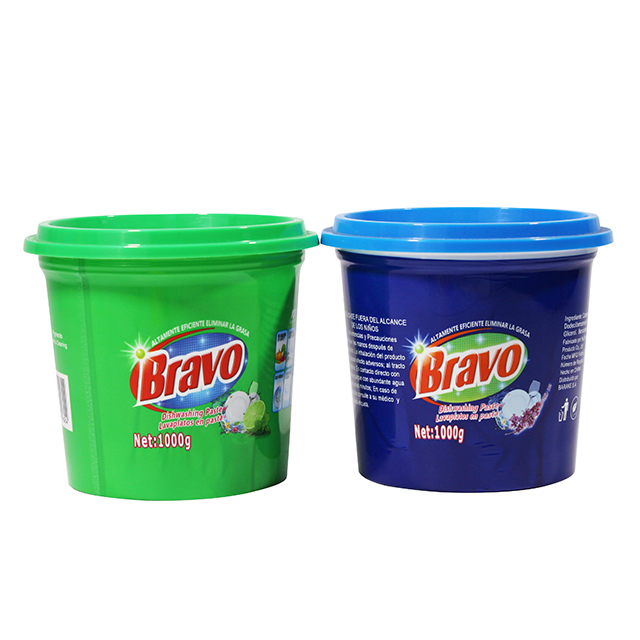
Superior Cleaning Performance: How Dishwashing Paste Delivers Targeted Grease Breakdown
Grease buildup remains a constant headache for restaurant kitchens, requiring strong and dependable cleaning products. Dishwashing paste beats regular powders because it has a thicker consistency and packs more surfactants into each batch. When applied, this stickier formula actually sticks to dirty surfaces instead of just sitting on top. That means the cleaning agents get to work longer on stubborn grime. The science behind it is pretty interesting too surfactants wrap around oil particles, with one part grabbing onto the grease and another part mixing with water to wash it away. Most pastes contain between 15 to 25 percent active ingredients compared to only 5 to 15 percent in standard powders. This higher concentration cuts down on scrubbing time by about 30 minutes per shift in busy restaurants. Since these products don't have all the extra stuff found in many powders, they clean better with less material wasted. They also perform consistently whether the water is soft or hard, which makes a big difference in different parts of the country.
| Feature | Dishwashing Paste | Traditional Powder |
|---|---|---|
| Contact Time | Extended adhesion | Rapid dissolution |
| Active Ingredients | 15–25% concentration | 5–15% concentration |
| Residue Handling | 95% grease removal in tests | 75% grease removal in tests |
| Fillers | Minimal or none | Up to 50% composition |
Operational Advantages: Precision Dispensing, Reduced Waste, and Consistent Dosage
The paste form of dishwashing detergent was actually designed to solve those annoying problems we all face with powder versions. No more clumps forming in the dispenser or uneven flow when trying to measure out the right amount. Because of its thicker consistency, it measures much more accurately too. Restaurants report using about 25 percent less product overall which definitely cuts down on what they spend month after month. When staff can rely on consistent measurements, there's no second guessing anymore. That means fewer situations where dishes get sent back for rewashing because someone used too little or way too much cleaner. Plus, equipment stays cleaner longer since there's less residue sticking around inside machines. The kitchen crew appreciates this during busy lunch rushes when every minute counts. And let's not forget the environmental angle either. Less wasted product means smaller carbon footprint for operations concerned about going green, all while still getting spotless results day after day.
Compatibility with Commercial Dishwashing Systems and Water Temperature Profiles
Commercial dishwashers today run under strict temperature controls, especially those standard 55 to 65 degree Celsius cycles common in busy restaurant kitchens. Paste formulations stay evenly mixed at these temps while powders tend to clump up and leave behind residue. Better solubility means no spots on glasses or silverware, cleaner rinses overall, and meets FDA requirements when it comes time for the hot water sanitizing step. Restaurant owners have noticed around a quarter fewer times they need to rewash dishes since making the switch to paste products. The difference shows up right away in how well things clean on the first pass through the machine.
Optimized Solubility and Rinse Efficiency at Standard 55–65°C Wash Cycles
Dishwashing paste starts working right away when temperatures hit between 55 and 65 degrees Celsius in those countertop and conveyor models found in commercial kitchens. Unlike powders that tend to leave behind annoying chalky bits needing extra soaking time, this paste breaks down fats completely during regular wash cycles. Tests have actually shown it dissolves about 19 percent faster than powder alternatives at around 60 degrees Celsius, which means dishes come out spotless even when cycles are cut short. The way it reacts to heat keeps enzymes active too, so the product stays effective against stubborn greasy messes all through the cleaning process.
Reduced Residue Buildup in Recirculating Racks and Filters vs. Powder Aggregates
Powder buildup remains one of the biggest headaches for maintenance staff in recirculating systems, causing around 40% more filter blockages based on restaurant equipment records. The smooth consistency of dishwashing paste allows it to pass through pumps and spray arms without leaving behind those stubborn scale deposits that really hurt system performance. Many kitchen managers notice their nozzles need cleaning about 30% less often when they switch from powder to paste, which means their pumps last longer too. This benefit becomes even more obvious in areas with hard water problems. Powdered products tend to combine with minerals in hot water conditions, creating these tough, concrete-like residues inside equipment that nobody wants to deal with.
Cost-in-Use Benefits: Lower Labor Time, Fewer Dosing Errors, and Extended Equipment Life
Making the switch to dishwashing paste can actually save money in several different ways around the kitchen. For starters, the stuff comes ready to use right out of the container so there's no need to scoop it up or scrape it down from containers anymore. That alone cuts down on labor time by about 30% during each shift when compared with dealing with powders. Then there's the fact that this paste doesn't clump together or dissolve unevenly like powders tend to do, which means fewer mistakes happen when measuring it out. Less mistakes means fewer times we have to run dishes again or throw away chemicals because they weren't mixed properly. And finally, since there's less buildup inside the machines, pumps, jets, and heating elements stay cleaner longer. Most commercial dishwashers last 2 to 3 extra years before needing replacement parts or major repairs. All told, restaurants typically see their yearly expenses drop somewhere between 15% and 20% after making this change, while still keeping everything spotless and meeting all health department requirements.
FAQ
Q: What makes dishwashing paste more effective than traditional powder?
A: Dishwashing paste offers a thicker consistency with a higher concentration of active ingredients, allowing for extended contact time on greasy surfaces and better cleaning performance.
Q: How does dishwashing paste help reduce waste and costs?
A: The paste form provides precision dispensing, reducing waste and helping restaurants use about 25% less product overall, leading to cost savings.
Q: Is dishwashing paste compatible with commercial dishwashers?
A: Yes, dishwashing paste offers better solubility at standard commercial dishwasher temperatures, minimizing residue and meeting FDA hot water sanitizing requirements.
Q: Does using dishwashing paste extend equipment life?
A: Yes, dishwashing paste reduces residue buildup in dishwashing systems, extending the life of equipment by maintaining cleaner pumps, jets, and filters.
Table of Contents
- Superior Cleaning Performance: How Dishwashing Paste Delivers Targeted Grease Breakdown
- Operational Advantages: Precision Dispensing, Reduced Waste, and Consistent Dosage
- Compatibility with Commercial Dishwashing Systems and Water Temperature Profiles
- Cost-in-Use Benefits: Lower Labor Time, Fewer Dosing Errors, and Extended Equipment Life
- FAQ