
 EN
EN
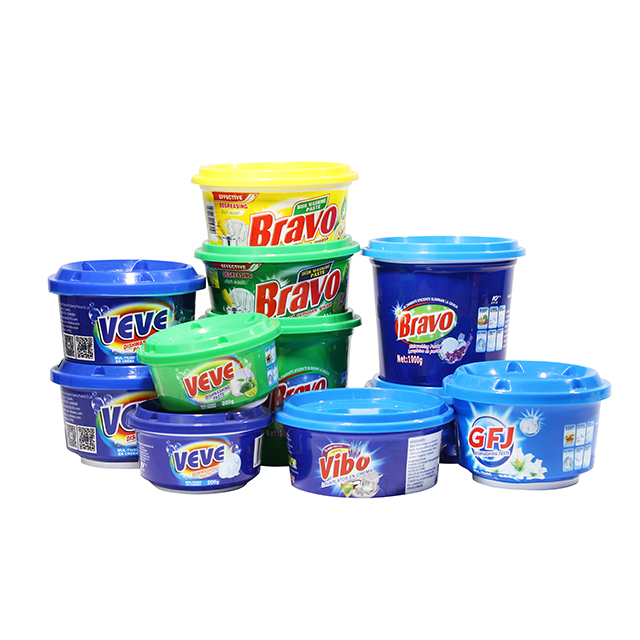
How Dishwashing Paste Works on Grease and Grime on Kitchen Walls
The Science of Surfactants: How Dishwashing Paste Breaks Down Kitchen Grease
Dishwashing paste gets rid of stubborn grease thanks to its concentrated surfactants. These are special molecules that have two sides one side loves oil while the other side is all about water attraction. According to some research published in the Journal of Surface Chemistry back in 2022, these surfactants can actually lower the surface tension of grease by around 62%. That means they wrap themselves around the oil particles and help lift those pesky stains off walls that tend to soak up grime. Since dishwashing paste has a thicker consistency compared to regular liquid soap, it sticks better to vertical surfaces for longer periods. This gives the surfactants plenty of time to work their magic, breaking down the grease into tiny water soluble particles that just wash away easily during cleaning.
Effectiveness of Dishwashing Paste Versus Liquid Dish Soap on Vertical Surfaces
Cleaning experts ran some tests recently and found that dishwashing paste takes off about 34% more grease from those rough textured walls compared to regular liquid soap, assuming both products are used exactly the same way according to a study published by NSF International Appliances in 2023. What makes this paste work so well? Its thick consistency stops it from dripping everywhere, plus it contains little abrasive bits similar to baking soda that actually scrub away at grime without harming semi-gloss painted surfaces. But here's something interesting too many people don't know: when dealing with areas where water is really hard, liquid soap tends to do a better job overall because it dissolves more easily in these conditions.
What Experts Say About Using Dishwashing Paste for Wall Cleaning
Karina Toner, who's been working in sanitation for over a decade, says dishwashing paste really shines when tackling fresh grease splatters. The folks at her cleaning company usually apply it using a microfiber pad in those circular motions everyone talks about, followed by a good rinse with a mixture of vinegar and water to get rid of any lingering soap film. According to a survey they ran last year with around 450 professional cleaners, most people stick with dishwashing paste for regular wall maintenance tasks. But when faced with really stubborn grime that's been sitting there for more than three weeks, they tend to reach for enzymatic cleaners instead. Makes sense too since old stuck-on messes just won't budge with ordinary products.
Common Challenges in Cleaning Greasy Kitchen Walls
Sources and Buildup Patterns of Kitchen Wall Grease
Grease buildup on kitchen walls comes mainly from cooking oil splashes, tiny fat droplets released when frying foods, and steam that carries bits of food particles into the air. Most of this greasy stuff tends to collect within about four feet of where we cook, especially behind stoves, underneath those range hoods, and along the tops of cabinets according to a study published by Food Safety Journal back in 2022. The way grease spreads across surfaces actually follows how air moves through the kitchen, which is why it often forms these layers that stick together more stubbornly when humidity levels are high inside the home.
Why Heat and Frequent Cooking Complicate Wall Maintenance
When exposed to heat repeatedly, liquid grease changes into stubborn polymer coatings that stick to walls like glue. Long cooking sessions over 30 minutes can push wall temps up around 15 to 20 degrees Fahrenheit, which speeds up how fast the grease oxidizes and turns rock hard. Kitchens where people fry or sauté often see grease buildup happening three times quicker than in places where most cooking is done via baking. This means those spaces need much stronger cleaning efforts if we want to avoid those frustrating permanent stains on surfaces.
When Dishwashing Paste Falls Short: Baked-On Grime and Limitations
Dishwashing paste works pretty well on fresh grease because it has lots of surfactants, but according to some research in the cleaning industry, it manages to get rid of just about 34% of those stubborn old residues that have been sitting there for over two weeks. The stuff can actually scratch semi-gloss paint surfaces when someone scrubs too hard, and most formulas have trouble getting into the thick layers of grime that build up around oven exhaust areas. When dealing with these kinds of problems, many professionals reach for mechanical scrapers instead or switch to enzymatic degreasers which tend to work better without harming painted walls so much.
Step-by-Step Guide to Using Dishwashing Paste Safely and Effectively
How to apply and rinse dishwashing paste without damaging paint
Moisten a cellulose sponge first, then swirl it around on the dishwashing paste until it picks up about the size of a small pea. Experts recommend this approach because it keeps surfaces from getting too wet while still getting the job done right. When applying to walls, work in vertical motions following how grease naturally drips down from cooking areas. Pay special attention to spots close to the stove and around countertops where grime builds up fastest. Get rid of the paste quickly with a microfiber cloth dipped in warm water. If left sitting too long, those tiny abrasive bits can actually wear away at semi-gloss surfaces bit by bit without anyone noticing until it's too late.
Best tools and techniques for scrubbing kitchen walls
- Use non-abrasive tools like silicone dish brushes or foam sponges to avoid scratching painted surfaces
- For textured walls, apply paste with a grout brush (soft nylon bristles) to penetrate crevices without damaging sealants
- Work in 3x3 ft sections, scrubbing in clockwise circles to lift grease efficiently
Real-world tips for removing sticky residue with dishwashing paste
When paste leaves behind that annoying film after washing, try mixing a teaspoon of white vinegar into two cups of warm water and give the spot a good wipe down. The vinegar helps cut through those basic residues that often stick around from pastes while also killing germs on contact. Sticky messes hanging out near kitchen vents? Mix together some paste and baking soda in equal amounts to form a thick scrub. This combo works wonders on old, hardened grease that just won't budge with regular cleaning stuff.
Dishwashing Paste vs. Other Cleaners: Performance and Alternatives
Comparing Dishwashing Paste to Commercial Degreasers for Wall Cleaning
Kitchen wall cleaning gets tricky when dealing with grease buildup, but dishwashing paste strikes just the right balance between getting things clean and not harming surfaces. Most store bought degreasers have strong stuff like sodium hydroxide in them which works great but can eat away at finishes over time. Dishwashing paste takes a different route using surfactants that break down grease without messing with paint jobs or sealants. Sure, those heavy duty degreasers knock out tough grime about 43 percent quicker in factories and workshops, but around the house nobody wants chemical residues hanging around after cleaning. The good news? A recent study from last year showed that concentrated formulas like these pastes kept about 89 percent of their cleaning punch on vertical surfaces versus regular sprays. Makes sense really since they stick better to walls than something that just sits there waiting to drip off.
Eco-Friendly Options and Their Effectiveness Against Kitchen Grease
Homeowners who care about the environment might find dishwashing paste sits somewhere between those harsh chemical cleaners and completely natural alternatives. Tests show plant based pastes actually clean better than just mixing vinegar and baking soda together since those homemade combos miss out on surfactants needed for tough stains. They get the job done but might need a bit more elbow grease compared to commercial brands. Castile soap works okay for minor messes around the kitchen but tends to fail when faced with really stubborn grease buildup on stove tops after cooking meals. Looking at eco friendly options? Go for ones that have been certified by groups like Ecologo. These labels mean the product breaks down naturally in water systems while still managing to tackle dirty dishes effectively.
FAQ
What is the main advantage of using dishwashing paste over liquid soap for wall cleaning?
Dishwashing paste has a thicker consistency, allowing it to adhere longer to vertical surfaces, giving surfactants more time to break down grease effectively.
Are there any precautions to take when using dishwashing paste on painted walls?
Yes, avoid scrubbing too hard or leaving the paste on walls for too long to prevent potential damage, especially on semi-gloss surfaces.
Can dishwashing paste remove heavily baked-on grime?
Dishwashing paste is generally effective on fresh grime but may not fully remove baked-on grime; enzymatic cleaners or mechanical scrapers are recommended for that.
Is dishwashing paste considered environmentally friendly?
Some dishwashing pastes are environmentally friendly; it's best to look for eco-certifications like Ecologo to ensure they break down naturally in water systems.