
 EN
EN
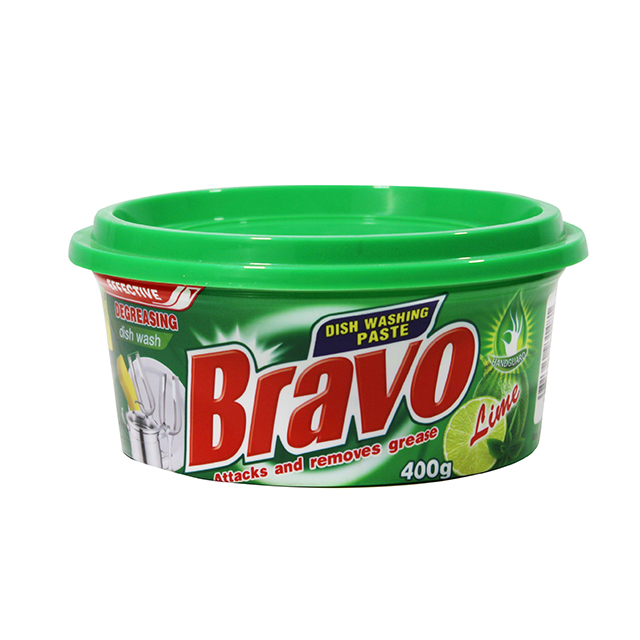
Why Dishwashing Paste Loses Potency: Key Degradation Factors
Moisture-Induced Hydrolysis in Soap-Based Formulations
When products get damp, something called hydrolysis happens. This basically means the surfactants and enzymes start breaking down chemically, which makes them less effective at cleaning and speeds up how quickly other ingredients become unstable. According to research published in the Journal of Applied Chemistry back in 2022, even exposure to about 55% humidity can cut product effectiveness by roughly 18 to 22 percent over three months. The problem gets worse because cellulose based thickeners actually soak up moisture from the air, creating little pockets where oxygen based bleaches lose their punch really fast. Containers that stay properly sealed maintain around 94% of their original strength after a whole year, while those left open typically only have about 67% effectiveness remaining. That's quite a difference when considering storage conditions.
Heat-Driven Breakdown of Enzymes and Surfactants
Temperatures above 30°C (86°F) accelerate molecular degradation across key actives:
- Protease and other enzymes denature, losing their ability to break down proteins
- Nonionic surfactants like alcohol ethoxylates decompose 40% faster
- Sodium percarbonate and other bleach compounds destabilize, diminishing stain and whitening performance
Overall, high-heat storage increases potency loss by 2.3× compared to climate-controlled conditions.
UV Light Exposure and Fragrance/Active Ingredient Degradation
Sunlight drives photodegradation through three interlinked pathways:
- Fragrance oxidation: UV radiation breaks down volatile aromatic compounds, producing sour or musty off-notes
- Surfactant crystallization: Light alters molecular alignment, reducing solubility and grease-cutting capacity
-
Active ingredient depletion: Sodium carbonate and alkaline builders decompose, weakening pH-driven cleaning action
Opaque containers block 99% of UV radiation, extending functional shelf life by 6–8 months over transparent alternatives.
Ideal Storage Conditions for Dishwashing Paste Longevity
Airtight, Opaque Containers to Block Moisture, Oxygen, and UV Light
What really stops products from breaking down over time is combining darkness with good seals. Look for storage options with those rubber gasket lids in either UV blocking plastics or tempered glass. These materials stop water getting in, keep air out, and protect against light damage that ruins formulas. Products in clear containers tend to lose their potency much faster than dark ones, sometimes as much as half within just a few weeks. And anything breathable lets moisture sneak in which causes both breakdown of ingredients and disappearance of scent notes. The key thing though is making sure the lid gets closed tight every single time after using it. With proper closure, pastes stay workable, foaming stays strong, and enzymes remain active well beyond a year often.
Temperature and Humidity Control: 17–23°C and <50% Relative Humidity
Keeping the environment stable is really important if we want things to last over time. Store products somewhere that stays between about 17 to 23 degrees Celsius (which is roughly 63 to 73 Fahrenheit). When temperatures go above 25 degrees Celsius, enzymes start breaking down faster, maybe even up to 30% quicker than normal. The humidity level should stay under 50% relative humidity. If it goes past that point, problems begin showing up pretty fast - stuff starts clumping together and separating into different layers within just two days. Don't put items anywhere close to appliances like ovens or dishwashers, or by those sunny windows either. These places experience big temperature swings during the day, sometimes changing by more than 5 degrees. All this constant heating and cooling puts stress on the emulsifiers in the product and makes them separate out sooner rather than later.
Practical Dishwashing Paste Storage Solutions by Setting
Home Kitchens: Cabinet Placement, Dispenser Hygiene, and Refill Best Practices
Keep dishwashing paste stored in those cool, dark upper cabinets away from any heat sources since high temperatures can break down the surfactants and enzymes over time. The best storage option? Opaque containers that are completely sealed tight because they stop both moisture and harmful UV light from getting in these are the main culprits behind chemical breakdowns. Don't forget to clean out those dispenser nozzles every week using some diluted white vinegar this helps keep microbes at bay and stops stubborn residue from building up inside. When it comes time to refill, always reach for separate dry utensils rather than just dipping into bulk containers directly to avoid mixing different products together accidentally. And remember to rotate through your stock about every three months or so most dishwashing pastes start losing their effectiveness after around four to six months even when stored properly.
Commercial Kitchens: Bulk Storage, FIFO Rotation, and Contamination Prevention
Store bulk supplies where temperatures stay between 17 to 23 degrees Celsius and humidity stays below 50%. This kind of controlled environment helps maintain quality over time. For inventory control, stick to the FIFO principle first in first out by labeling everything with dates so older stock gets used up before it loses effectiveness. Keep containers off the ground on clean shelves away from any moisture or dirt that might come from floors. When moving products around, always use sealed secondary containers along with dedicated scoops for each batch. Never let these tools touch the main storage containers directly. Do regular monthly inspections looking at both appearance and texture. If granules start forming, oils separate out, or colors change visibly, those are signs something's gone wrong permanently and the affected material needs replacing right away without delay.
Identifying Potency Loss in Dishwashing Paste
Recognizing early signs of degradation ensures consistent cleaning performance and prevents surface damage or hygiene risks. Three objective indicators signal declining efficacy:
Texture changes: Hardening, cracking, or water-induced separation reflects moisture absorption or emulsion failure. Pastes affected by hydrolysis develop gritty lumps that resist dissolution during use.
Color and odor shifts: Fading color often correlates with UV-driven breakdown of dyes and actives; rancid, sour, or musty odors indicate oxidation of organic surfactants or fragrance oils. A 2024 Detergent Research Institute study found such odors emerge 30–40% faster when storage exceeds 23°C.
Performance decline: Reduced foaming, poor grease lift—even with increased application—points to surfactant depletion. A practical test: apply paste to baked-on residue. If scrubbing effort increases by 50% versus fresh product, potency loss is confirmed.
| Degradation Indicator | Impact on Performance | Detection Method |
|---|---|---|
| Texture abnormalities | Reduced solubility & spreadability | Visual/tactile inspection |
| Color/odor changes | Weakened cleaning agents | Sensory evaluation |
| Foaming/efficacy loss | Insufficient grease removal | Practical application test |
When any of these signs appear, replace the product promptly—continued use compromises cleaning standards, equipment safety, and food-contact surface hygiene.
FAQ Section
What storage conditions prolong dishwashing paste's potency?
Maintaining dishwashing paste in airtight, opaque containers prevents exposure to moisture, oxygen, and UV light, which helps retain its effectiveness. Keeping temperatures between 17–23°C and humidity below 50% also prolongs shelf life.
How can I identify when dishwashing paste has lost its potency?
Look for changes in texture, color, and odor. Texture abnormalities like hardening or cracking, color fading, and sour or musty odors indicate degradation. Additionally, reduced foaming and cleaning efficacy signify potency loss.
What practices ensure optimal dishwashing paste storage in commercial kitchens?
Follow FIFO rotation for stock, maintain temperature between 17–23°C, and keep humidity below 50%. Use dedicated scoops for transferring paste and conduct regular inspections to detect signs of degradation.