
 EN
EN
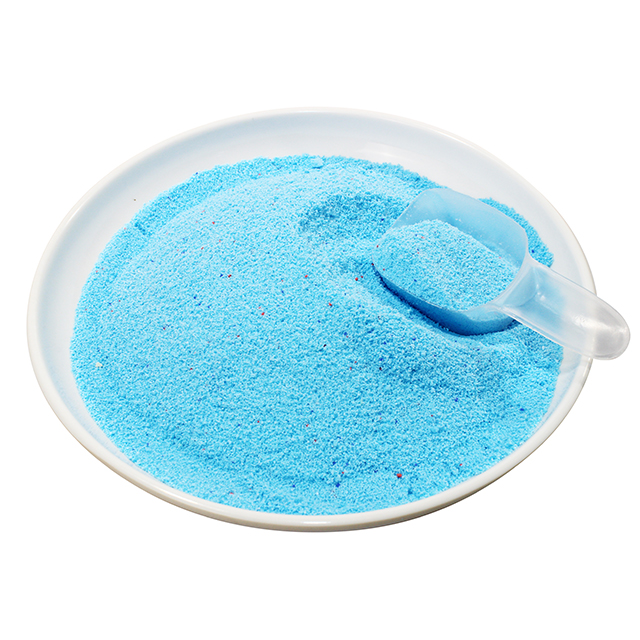
Why Eco-Friendly Detergents Are Gentler on Sensitive Skin
Hypoallergenic laundry detergent and its role in reducing skin irritation
Green detergents help reduce skin irritation because they cut out harsh ingredients like sodium lauryl sulfate along with synthetic stuff such as optical brighteners and artificial colors. These plant powered products work with nature instead of against it, using cleaning agents from coconut oil that get rid of dirt without stripping away the skin's natural oils. For people with sensitive skin or conditions like eczema, hypoallergenic options are worth considering since they skip many of the common triggers that cause rashes and itching. Dermatologists often recommend these gentler alternatives when dealing with persistent skin issues.
Fragrance-free and hypoallergenic formulations for sensitive skin
Many people don't realize that fragrance free detergents actually take away one of the main causes behind allergic reactions and skin irritation known as contact dermatitis. The problem? Those fancy synthetic perfumes added to laundry products. According to research from the American Academy of Dermatology, around a third of all consumers experience some sort of skin sensitivity when using scented detergents. Now eco friendly brands are getting smart about this issue. Instead of relying on harsh chemicals, they're turning to nature inspired solutions like plant based extracts that give clothes a light fresh scent, enzymes that tackle odors at their source, and preservation methods incorporating good old vitamin E. What's really great is these green alternatives still work just as well at cleaning clothes while being much kinder to sensitive skin types. Some folks even notice fewer rashes and itching after switching to these gentler formulas.
Clinical testing of detergents for skin safety: RIPT testing and EWG Verified® certification
Eco-friendly detergents that people can trust go through serious testing in labs, especially something called the Repeat Insult Patch Test or RIPT for short, which is basically the best way scientists have found to check if something might cause allergic reactions over time. When a brand carries the EWG Verified® label, that means they've passed several tough requirements. First, they must list every single ingredient used in their product. Second, these companies avoid putting in substances that mess with hormones (endocrine disruptors) and ingredients that commonly cause allergies. Plus, there needs to be proof that these products won't harm sensitive groups like kids or adults who suffer from eczema. Studies looking at real-world data indicate that when a detergent has both passed the RIPT test and earned the EWG Verified® stamp, users report about 70-75% fewer cases of irritated skin than what happens with regular store bought detergents.
Key Ingredients in Plant-Based Detergents and Their Impact on Skin
Plant-Based Detergent for Sensitive Skin: Coconut Oil, Baking Soda, and Citric Acid
The plant based detergents we see today typically contain ingredients that have been researched extensively and are known to be gentle on skin. Take coconut oil derivatives for instance they work great at cutting through grease without being harsh. Baking soda helps balance the pH levels and gets rid of bad smells pretty effectively. Then there's citric acid which binds with those pesky minerals in hard water that stick to clothes and might cause irritation over time. Sulfates tell a different story altogether. They tend to wash away our body's natural oils and weaken the protective barrier of our skin. That's why many people find themselves turning to alternatives that actually care about skin health while still getting things clean. According to research published last year in the Journal of Dermatological Science, products made primarily from these kinds of ingredients cut down cases of dermatitis by around two thirds among people who participated in patch tests.
Safety of Essential Oils and Natural Preservatives for Sensitive Skin
Many people think essential oils are completely safe, but they can actually cause skin sensitization issues. According to research from the Contact Dermatitis Consortium last year, around 12% of adults have allergic reactions when using essential oils that aren't properly diluted or made with poor formulations. Good quality brands reduce these risks by keeping dilutions under 0.5%, incorporating preservatives that don't cause sensitivity such as radish root ferment extracts, and getting verified by independent organizations like those with the EWG Verified label. Skin reactions vary quite a bit from person to person even with supposedly natural products. That's why dermatologists still recommend doing patch tests first before making any essential oil part of regular skincare routines.
Chemical Ingredients Linked to Skin Sensitivity: Fragrances, Phthalates, and 1,4-Dioxane
Conventional detergents frequently contain high-risk synthetic additives with documented dermal effects:
| Ingredient Type | Skin Impact | Prevalence |
|---|---|---|
| Synthetic Fragrances | Contact dermatitis †‘ 42% (FDA 2023) | 98% of conventional brands |
| Phthalates | Hormone disruption via transdermal absorption | 89% of tested detergents |
| 1,4-Dioxane | EPA Class B2 carcinogen; byproduct of ethoxylation | 73% of petroleum-based formulas |
These compounds are rarely disclosed on labels-fragrances may hide over 3,000 ingredients, and 1,4-dioxane appears unlisted on 95% of product labels-making transparent, certified-eco alternatives a safer, more informed choice for sensitive skin.
Do Natural Detergents Remove Stains as Effectively as Conventional Ones?
Natural enzymes and surfactants in cleaning: How they break down stains
The way plant based detergents tackle stains is quite different from traditional products. Instead of relying on strong chemicals, they harness nature's own cleaning power through enzymes. Protease enzymes break down proteins found in common stains like blood, grass stains, and milk spills. At the same time, lipase enzymes target fats and greasy marks. These natural enzymes team up with surfactants derived from plants such as coconut or corn. The plant surfactants lower the tension of water so it can get deep into fabric fibers and physically lift out dirt. What makes this method stand out is that it gets rid of tough stains without stripping moisture from skin or damaging protective barriers the way petroleum based cleaners often do.
Plant-based enzymes and stain removal effectiveness: Real-world performance
Tests done by independent labs have shown that these enzyme boosted plant based cleaners actually work just as well as regular detergents when it comes to getting rid of everyday organic stains. They manage to remove about 90 percent of coffee spills, red wine marks, and those stubborn tomato sauce spots when tested under standard lab conditions. But what really matters is how people use them in real life situations. Pre treating those tough stains before washing, following the dosage instructions carefully, and picking the right water temperature and wash cycle all make a big difference. Most users report being pretty happy with how they handle food messes, drink spills, and even sweat stains. For oily stuff though, sometimes giving things an extra soak or doing a second rinse helps out quite a bit. As long as folks follow the basic guidelines, these plant based detergents that carry certification marks tend to clean effectively without irritating sensitive skin.
FAQ
What makes eco-friendly detergents better for sensitive skin?
Eco-friendly detergents avoid harsh chemicals that can irritate skin and use plant-based ingredients that clean effectively without stripping natural oils.
Are fragrance-free detergents less likely to cause skin irritation?
Yes, fragrance-free detergents remove synthetic perfumes that often trigger allergic reactions, reducing the risk of contact dermatitis.
What certifications should I look for in a mild detergent?
Look for detergents that have passed RIPT testing and carry the EWG Verified label, ensuring they are safe for sensitive skin.
Do natural detergents work as well as conventional ones for stain removal?
Yes, when used correctly, natural detergents with enzymes can clean most stains effectively without damaging fabrics or irritating skin.